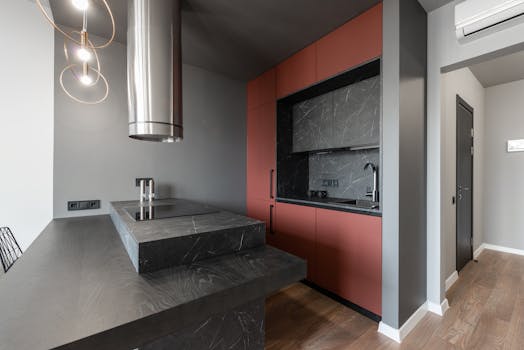

We’ve all seen those dramatic home renovation shows. One minute, a family is cooking their morning eggs; the next, the entire kitchen is a war zone of dust, noise, and displaced appliances. It’s enough to make anyone put off that much-needed update indefinitely. But what if I told you it doesn’t have to be that way? Transforming your kitchen doesn’t automatically mean weeks of living out of takeout containers and navigating a construction site. It’s entirely possible to renovate your kitchen with minimal disruption, preserving your sanity and your daily routine. This isn’t about settling for less; it’s about smart planning and strategic execution.
Phase 1: The Blueprint for Barely-There Disruption
The foundation of any low-disruption renovation lies in meticulous planning. Skipping this step is like building a house without a foundation – you’re inviting problems down the line. Think of this as your pre-game strategy.
#### Unpacking Your Vision: What’s Non-Negotiable?
Before a single hammer swings, get crystal clear on your goals. Are you aiming for a cosmetic refresh, or is a complete layout overhaul on the cards?
Define your must-haves: What are the absolute essential changes? New countertops, a different backsplash, updated appliances?
Identify the nice-to-haves: What would be great, but could be deferred if necessary?
Establish a realistic budget: This dictates everything. Don’t be afraid to get detailed quotes early.
This clarity will help you and your contractor (if you use one) make informed decisions that minimize the scope of work, directly impacting the disruption level.
Phase 2: Strategizing for Seamless Swaps
Once you know what you want, it’s time to figure out how to get it done with the least amount of upheaval. This is where the magic of thoughtful sequencing comes into play.
#### The Phased Approach: Kitchen Sections, Not a Total Takeover
Instead of ripping everything out at once, consider a phased renovation. This is particularly effective for larger projects.
Work zone by work zone: Can you tackle one side of the kitchen while keeping the other operational? Perhaps install new cabinets on one wall, then move to the opposite.
Appliance strategy: If you’re replacing appliances, can you do it one by one? Or, can you set up a temporary “kitchen” in another area of your home? I’ve seen clients successfully use a grill on a patio or a temporary setup in a dining room for cooking.
Minimizing utility downtime: Coordinating plumbing and electrical work is crucial. Schedule these critical, disruptive tasks for specific, short windows. Discuss with your tradespeople how to minimize water or power outages.
The key is to keep essential functions available for as long as possible. This might mean living with a slightly less-than-perfect kitchen for a bit, but it’s far better than a complete shutdown.
Phase 3: Operational Continuity: Your Daily Survival Kit
Let’s be honest: a kitchen renovation means your primary cooking and cleaning hub is compromised. Having a plan for these essential daily activities is paramount to keeping your stress levels in check.
#### Setting Up a Temporary Command Center
This is where ingenuity meets necessity. Think about what you absolutely need to function.
The mini-fridge and microwave zone: A small refrigerator and microwave can be lifesavers. Set them up in a dining room, living area, or even a garage. Stock them with ready-to-eat meals, drinks, and snacks.
Washing up solutions: If your sink is out of commission, a large basin in a utility room or even a designated spot in the bathroom can work for basic washing of dishes and utensils. Don’t forget plenty of paper towels and disposable cutlery for true emergencies.
Temporary cooking stations: Consider portable induction cooktops, a toaster oven, or even a slow cooker. These can help you prepare simple meals without needing your main range.
I’ve often found that people underestimate how much they rely on their sink. Having a robust plan for washing up can significantly reduce frustration.
Phase 4: The “Invisible” Renovation: Smart Material Choices
Sometimes, the biggest disruptions come from messy, time-consuming processes. Choosing materials wisely can sidestep a lot of that.
#### Faster Finishes, Cleaner Results
Prefabricated elements: Opt for pre-assembled cabinets, ready-made countertops, or even pre-tiled backsplash panels where possible. These often install faster and create less dust than custom-built or site-cut materials.
Low-VOC paints and finishes: If you’re painting, choose products with low volatile organic compounds. They emit fewer fumes and dry faster, meaning less lingering smell and a quicker return to normalcy.
Consider peel-and-stick options: For temporary or budget-friendly updates, high-quality peel-and-stick tiles for backsplashes or even floor coverings can be installed quickly and cleanly.
These choices might seem minor, but they add up, contributing significantly to how to renovate your kitchen with minimal disruption.
Phase 5: Communication: Your Secret Weapon
This is, hands down, the most critical element for a smooth renovation. Open, honest, and frequent communication with your contractor, tradespeople, and even your family is non-negotiable.
#### Keeping Everyone in the Loop
Daily check-ins: Even a quick 5-minute chat with your contractor at the end of each day can prevent misunderstandings and address minor issues before they escalate.
Clear timelines and expectations: Ensure everyone understands the schedule and what will be happening each day. When will power be off? When is dust expected?
* Family briefing: If you have a family, involve them in the planning. Explain the process, the temporary living arrangements, and why it’s all happening. Managing expectations at home is just as important as managing them on-site.
When you know what to expect, and your team knows your expectations, the entire process feels far less chaotic. It’s a simple concept, but its impact on reducing disruption is profound.
Wrapping Up: The Peace of a Planned Renovation
Renovating your kitchen with minimal disruption isn’t about magic tricks; it’s about intelligent strategy, a focus on continuity, and unwavering communication. By breaking down the project into manageable phases, preparing a functional temporary living space, making smart material choices, and fostering open dialogue, you can achieve the kitchen of your dreams without sacrificing your everyday life. The result? A beautiful, functional space that you can truly enjoy, earned with a calm process rather than endured chaos.